
We harness strategic mindsets and build capability.
Practical thinking on strategy, governance, measurement and the choices that help not-for-profits create impact.
How we think: our blog
The focus of our blog is to demystify for-purpose strategy.
Our blog is an opportunity to share thinking that we consider essential to driving change. We will use this space to offer thoughts, tips and tools on how to ensure strategic planning is impact-led and not just reliant on outdated models borrowed from traditional corporate strategy.

Collaboration isn't a word on the strategy page
Collaboration appears in almost every not-for-profit strategy. But genuine collaboration takes more than partnership language. It requires shared purpose, clearer power, the right funding conditions and a willingness to make decisions differently. This reflection explores what collaboration really means for NFP strategy, stakeholder engagement and cross-sector partnerships.
Too big to ignore. So why does the not-for-profit sector sometimes act like it isn't?
Australia’s not-for-profit sector is a major employer and essential social infrastructure. It is time for the sector to recognise its scale, invest in capability and use its collective power.

Navigating tensions in not-for-profit strategy
Good not-for-profit strategy is rarely simple. Boards and CEOs need to navigate tensions around value, purpose, engagement, resources and expectations.

Governing strategy: why measurement is the hard part
For not-for-profit boards, signing off a strategy is only the beginning. The hard work is tracking progress, measuring impact and using evidence to make better decisions.

The missing ingredient in great not-for-profit strategy
Great not-for-profit strategy needs more than a plan on a page. A clear theory of change helps boards, CEOs and teams connect activity, outcomes and impact.

Not leaving the idea or learning at just a corridor conversation: Takeaways from the 2023 Better Boards Conference
Not leaving the learnings and great conversations in the corridors of a conference and bringing them to life in NFP Boardroom and Leadership discussions.
Ensemble Strategy takeaways from 2023 Better Board Conference in Brisbane.

Three lessons for change leadership
Three pieces of advice from an expert changemaker, Linh Do, on how to bring about change, no matter what area you're working in.

Getting out of the way of innovation
A case study from the utility sector that demonstrates how sometimes the most powerful thing you can do is get out of the way of progress.

Resisting the beige
As part of a blog series on Pro Bono news we explore how a one-size-fits-all strategy can end up being the wrong fit.

How do you reverse a legacy narrative?
Part of a blog series on Pro Bono News, we explore how for-purpose leaders and advocates challenge outdated narratives that they come up against.

If we really want systems change, we need transformation.
Part of a series included in Pro Bono news, this blog looks at the five key lessons learned by industry leader Alex Hannant in effecting industry change.

Dreaming of new community grant models: Three unexpected learnings from recent projects
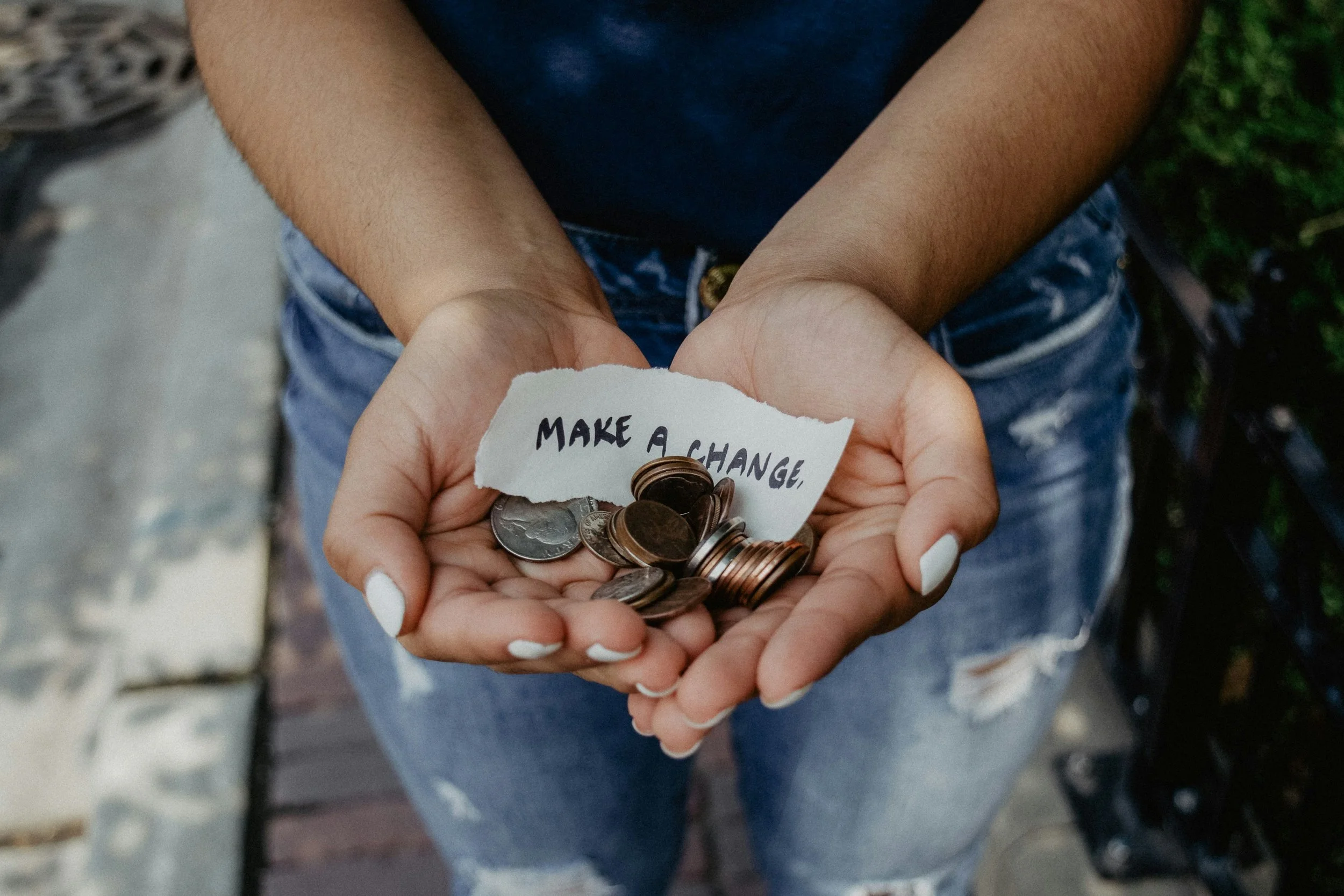
There is over $80 billion in grants given away each year in Australia, across more than 3,400 programs . This is not small change, yet the granting landscape continues to be challenging for grant-makers finding diverse applicants and for potential grantees in meeting the demands of the process. Now is a great time to rethink how granting processes work and stimulate the thinking here are three unexpected learnings we have picked up from our work.

If cash is king, culture is queen.
No matter the structure of your organisation, in strategic planning money definitely matters. While it’s prudent to always ensure the financial health of your current state, as well as any impact the proposed strategy may have. Cash, however, is not the only critical foundation upon which strategy has to be built. Culture, which can have negative connotations of being ‘wishy washy’, is actually a crucial enabler for strategy execution, as not only does it underpin the execution of your strategy, but it can also be an asset to the development of great strategy.

Design your strategy with beneficiaries at the centre.
Impact-led strategy, by its very nature, means that the ultimate outcome is to make the world better for someone. So when conducting strategy for social or environmental outcomes, it is our beneficiaries that we must prioritise over all else. And so it is their perspective that we need to consider at every point along the planning journey. This blog sets out some important actions to help you bring this to life when developing your strategy.

When you’re at the starting line, assume nothing.
It is notoriously difficult, particularly at the beginning of the planning process, to unshackle your thinking from the ‘as is’ and reframe for the ‘to be’ with a mindset of possibility. In our first blog of the series we set out some of the key steps that will help you to let go of the limits to creativity and start at being able to dream of new opportunities and something different.

How we can enable: the challenges and opportunities in the sector
In looking across the diverse sectors we work in, we have sought to highlight the key industries we have particularly deep experience in, and what we have identified as just a few of the strategic challenges and opportunities each of these sectors are facing and need to ‘lean into’ through strategic thinking.
-
Challenge: A system under demand and funding pressure. New state and federal funding models, changing demographics in our cities and regions, higher consumer expectations, more regulation and increased complexity in care has led to the health systems across metropolitan, regional and rural having to re-think and act.
Opportunity: Mergers, acquisitions and new operating models; innovation in partnerships and models of care; and new approaches to workforce.
-
Challenge: For too long mental health and wellbeing has been limited by stigma, a focus on response and chronic underfunding. The increased discussion, recognition and critical impact of mental health and wellbeing is entering into our everyday and affecting every community from our youngest to oldest. Political shifts through long awaited reform and funding are only just a part of a needed momentum swing to re-think not only how we treat, but the role of government, organisations and community in prevention and supporting mental health and wellbeing.
Opportunity: Executing policy and reform; new funding and service models; and community advocacy for change.
-
Challenge: Education is in the midst of revolution. Technology and new models of teaching and learning have been accelerated through changing demand and external pressures. These changes have pushed schools to their limit, whether it be adopting technology or staffing. While data is still emerging as to the impact of these changes, the conversation is only just beginning. How do schools navigate the current and future education landscape? How does education develop and shape the workforce needs of the future? What needs to evolve in our curriculum and learning priorities from primary through to tertiary education?
Opportunity: Innovation in education and technology; New strategic thinking about the focus of teaching and learning; New workforce models and structures; and, alternative education approaches to meet future demand.
-
Challenge: Young people are navigating a world where work, housing, mental health and opportunity feel less secure, while many systems still expect traditional pathways to work.
Opportunity: Genuine youth voice, practical pathways, social enterprise and advocacy that helps young people shape the solutions, not just receive them.
-
Challenge: Disability organisations are operating in a tighter, more uncertain NDIS environment, with reform, pricing pressure and rising expectations making sustainable delivery harder.
Opportunity: Stronger partnerships, smarter service models and diversified funding that help organisations stay viable while increasing impact.
-
Challenge: Large-scale investment from sector review and reform (such as the Victorian Royal Commission) has led to rapid growth of small organisations, bringing with it many operating model challenges. The sector continues to see change with consolidation of peaks, and a shift to long-term focus of gender equity for many service delivery organisations. With need increasing as a by-product of COVID, advocating for and funding prevention remains challenging.
Opportunity: Focus on intersectionality and partner with those working in adjacent but related fields.
-
Challenge: Arts organisations are rebuilding in a tougher environment, with rising costs, shifting audiences, tighter funding and more pressure to prove value.
Opportunity: New partnerships, digital reach, stronger community connection and experiences that make arts participation more accessible and sustainable.
-
Challenge: Housing across the country continues to exist in an environment of unmet need and growing demand. For too many, access to a safe and affordable home is beyond reach. The need for action and investment from government is critical, alongside policy, practice and action that can help meet the growing demand. While opportunities exist, the challenge of housing needs to be addressed beyond the single lens of a roof over head. This is about looking at the whole of a person to meet needs that can inform safe, affordable homes.
Opportunity: New housing models to meet unmet demand; blended funding bringing together government, philanthropy and corporate to address investment gaps; service models that look to holistic care to sustain long-term housing; and partnerships across community and housing sectors.
-
Challenge: Fundamental to so many, the traditional model of the community sports club is changing. After a challenging period during the global pandemic, the sports sector is and has a need to re-visit its core value proposition for both community and professional sports. Driven in no small part by increased competition, changing attitudes and interests, and many people wanting flexible recreational offerings rather than structured competition. Government funding is also at risk of being directed to health promotion activities other than sport.
Opportunity: Innovate sport offerings to increase flexibility; strengthen ties with government; and collaborate across states and territories to build capability and jointly solve problems.
-
Challenge: The conversation has moved on from reversing global warming to stopping further acceleration of the damage. The political behemoth that is influencing global behaviours and practice is enormous and unwieldy, with people-led advocacy coming up against ‘so-called’ political compromises and talk. It is an issue for our generation and many to come. It is empowering our youth and frustrating so many. The need to act local alongside global is creating a new economy, and the expectations of meaningful social and environmental practice becoming the requirement for all parts of business to survive and thrive. This issue isn’t limited to rising temperatures, it extends to livelihoods, our supply chains, our health.
Opportunity: New forms of advocacy and community engagement; new business and operating models; and innovation in supply chains and production.